

As a freight forwarder in today’s world, it can feel like things are changing faster than you can keep up with. Political tensions, new environmental regulations, changing trade agreements and rapid technological developments mean that freight forwarding can feel a bit like navigating unpredictable weather at sea. Calm one minute with a clear view of the horizon, then the next you’re in the eye of the storm, struggling to keep on course.
How do you navigate your way through such rapidly changing conditions?
That’s exactly what this blog explores…
While traditional skills continue to play an important role, modern freight forwarders need to blend these old-school values with a more modern approach. Technical knowledge, confident communication, digital know-how and the ability to stay calm under pressure are essential. And for your business to thrive, you need people who can manage the practicalities of shipping whilst still offering good old-fashioned human support.
Keep reading to discover how freight forwarders that invest in people and communication, alongside modern-day processes, can position themselves to navigate whatever comes next.
Strong Communication and Customer Relationship Skills
It’s no secret that good communication helps to build stronger relationships. With goods passing through multiple ports, carriers and partners, it’s easy for messages to become unclear, miscommunicated or lost in translation. A missed update or unclear instructions can lead to extra charges and time delays, and in the world of freight, problems can quickly grow into major issues.
To help avoid this, freight forwarders should:
- Use simple, clear and translatable language.
- Give customers updates before they even ask.
- Respond to questions as soon as possible, with patience and clarity.
- Have open lines of communication with carriers and overseas partners.
- Offer reassurance and empathy when unexpected issues arise.
As a family-run business with decades of experience, at Millennium Cargo, we know that genuine conversations, personal service and relationships built on trust matter. Ensuring direct contact and enabling your customers to easily speak to professional cargo handlers can help them feel their concerns are valid and that you really want to help.
Problem-Solving and Crisis Management
Freight forwarding is full of unexpected challenges, with disruptions more common than not. Weather events, port congestion, strikes, customs inspections and last-minute carrier changes are all things a freight forwarder has to deal with regularly.
Even though you can look at the shipping forecast, it’s hard to keep things moving in the right direction, but there are things you can do to move things along without too much disruption:
- Stay calm – easier said than done in some situations, but keeping a clear head will help you see what needs to happen next.
- Don’t put things off – assess issues quickly and accurately to come up with a solution that works for everyone to reduce delays.
- Be practical – only solutions that you can actually implement will help to make things better.
- Communicate with your customers – no one likes to be left in the dark, and your customers will respond better when you’re honest and upfront.
Next time you have a container stuck in a heavily congested port, a change to takeoff times, or shipments are stuck in customs for more checks, remember to keep calm, check all the options and keep your customers updated. At Millennium Cargo, we’ve dealt with almost every situation you could think of and have the resources needed to keep things simple and avoid unnecessary hassle.
Understanding International Regulations and Compliance
As a freight forwarder, you’ll be aware that global shipping rules are becoming more complicated. Not only that, everything from customs procedures and sanctions to environmental regulations and safety standards can change with little or no warning.
Did you know that since 1st January 2025, the IMSBC Code for cargo contains new safety categories for items such as Direct Reduced Iron (DRI)? Not only that, more amendments were made in June this year, which will be enforceable by 1st January 2027. It’s a lot to keep up with!
To help stay compliant, it’s essential to:
- Understand international regulations.
- Keep updated with all the changes.
- Ensure documentation is accurate.
- Help guide your customers through the complex rules.
The risk of making paperwork errors is high, especially when countries have different rules for freight forwarding. A minor mistake can be costly both in terms of finances and time. Partnering with a company, such as ourselves, that has a global network can help you stay ahead of the game and get your freight where it needs to be, when it needs to be there.
Digital Literacy (Without Becoming Overly Technical)
Don’t worry, we won’t be quitting our freight jobs for IT roles, but there’s no escaping the fact that technological knowledge is becoming increasingly essential in our sector. It will never replace people, we hope, but to give it its due respect, technology can help to reduce errors, speed up processes and improve international communication.
Five key digital skills all freight forwarders should have include the ability to;
- Use tracking software effectively
- Handle and process digital documentation
- Communicate through secure online systems
- Work with carriers and partners’ digital portals
- Ensure accuracy, confidentiality and security across systems.
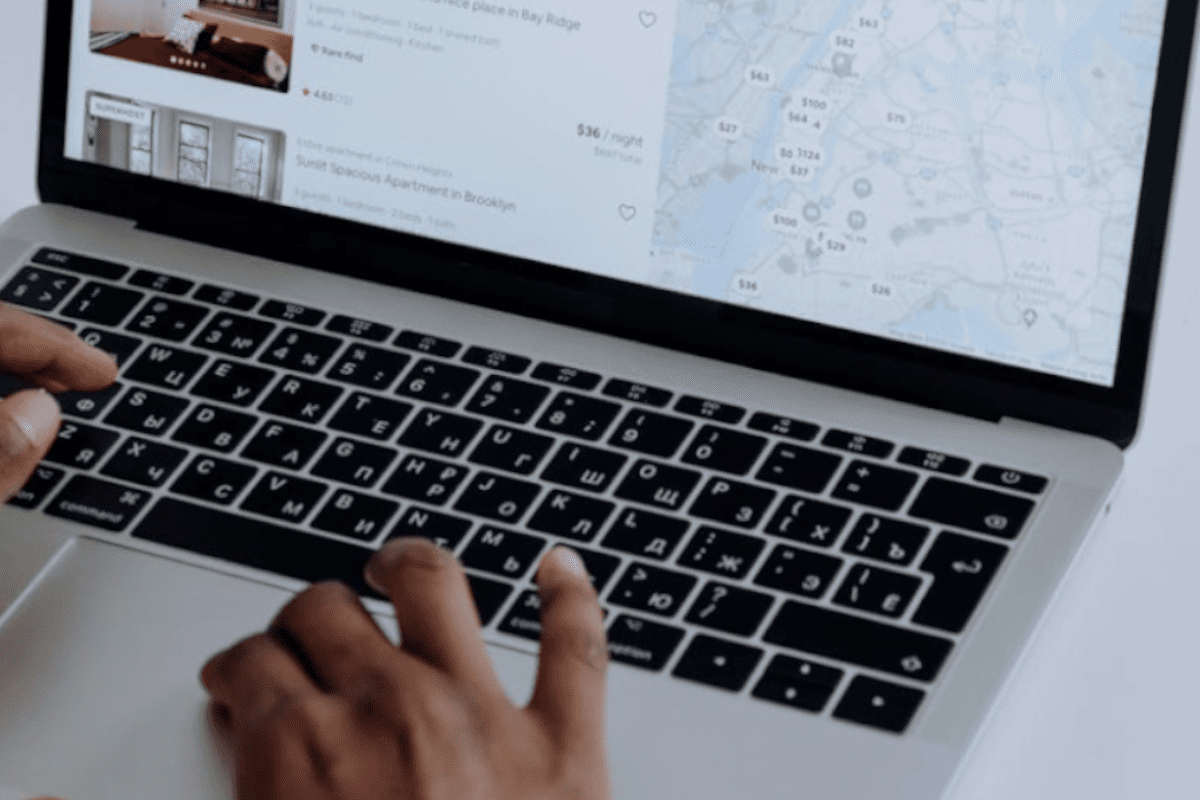
Balancing the use of reliable technology with a personal touch ensures that your customers will receive the most up-to-date digital information without losing the human connection to your business.
Negotiation and Carrier Relationship Management
Your customers might not realise it, but negotiation is a huge part of being a freight forwarder. When rates rise and fall like the waves at sea, capacity becomes tight, and space becomes limited; long-standing relationships with carriers are essential.
Why?
Having long-term freight partners makes it easier to negotiate rates, secure space and balance cost and reliability. If you choose to partner with us, our wealth of experience, knowledge and expertise in freight means we have built strong relationships with our carriers, who trust us and will work with us even when space is short.
Adaptability and Continuous Learning
Whether it’s new customer requirements, unexpected global events or changes in port paperwork, you’ll know that the industry rarely stays the same for long. Change has become the standard for freight forwarders and their supply chains, and to react appropriately requires adaptability. This means:
- Staying open to new ways of working
- Learning new processes quickly
- Reacting fast to local and global changes
- Updating industry-related knowledge regularly
- Adjusting to new regulations and ways of doing things.
Unlike large corporate forwarders that often face delays in decision making and implementation because of complicated, lengthy and slow internal processes, here at Millennium Cargo, the nature of our family-run business means we’re able to react quickly, efficiently and flexibly when things change.
Cultural Awareness and Global Collaboration
When you’re working with people across multiple time zones, with different ways of doing things and various communication styles, it’s easy for things to get lost in translation and miscommunication to happen. Being able to understand these cultural differences helps freight forwarders to avoid misunderstandings and supports strong partnerships.
Cultural awareness helps to:
- Keep communication respectful and effective
- Respect and understand different ways of working
- Manage expectations
- Build trust
- Seamless collaboration.
By building strong international partnerships, we better understand how different countries manage logistics, making coordination smoother and more reliable for customers.

The Future of Freight Forwarding is Still People-Centred
As the world of logistics continues to develop, freight forwarders will need to have excellent communication, problem-solving, digital know-how, up-to-date industry knowledge and cross-border understanding. Although technology can support this, it will never replace the importance of personal customer service and genuine human relationships.
At Millennium Cargo, we combine modern ways of doing things with good old traditional values that ensure long-term relationships by giving customers the confidence and clarity they need.
If you’re looking to partner with a company that can help you navigate the complex cargo industry, look no further and get in touch today.