

As we move towards a sustainable ‘net-zero’ future, electric vehicles become an inevitability – but what do electric HGVs really mean for freight – both today and in the future?
At Millennium Cargo, we have some thoughts…
eHGVs and Cost
The first question on everyone’s mind will be cost – does moving to electric for road freight mean the cost of shipping is going to come down for companies using logistics services? Well, the answer there is a ‘maybe’.
In the long term, there’s little doubt that using EVs over traditional fossil fuels is cheaper. An eHGV is cheaper to run, even when you take maintenance costs into account – as this report from Exeter University suggests. When you balance the cost across the lifetime of the vehicle, it comes in lower than a traditional diesel alternative and, as technology improves, that’s only going to get better.
But the outlay for an electric HGV is significantly more – sometimes as much as double the price of a diesel vehicle – and that cost is going to get passed on to the customer: you.
The reality seems to be that in the immediate future, any real discount on cost is going to be due to competition and market forces more than true savings for the shipping companies, but this will balance out and in 10 years, or 20, it’s more likely that there’s a genuine cost benefit for everyone when it comes to shipping with an electric vehicle – even on the scale of an HGV.
Conclusion: Savings should become apparent and improve over time.
eHGVs and Reliability
Reliability in your supply chain is everything. With your reputation on the line, as well as the potential for lost revenue when problems do occur, you want to know that you can rely on your eHGV shipping partner as much as you could a diesel one.
Once more, though, we’re leaning towards ‘maybe’. There’s certainly a lot to be said for the reliability of an electric vehicle (EV). There are fewer moving parts, which itself suggests longevity and less required maintenance – which is a very good thing.
That said, reliability isn’t just about the lorry – it’s also about the infrastructure. Across the UK, work is being constantly done to improve the EV charging infrastructure, as well as the number of qualified mechanics who can handle an eHGV, but as it stands, that infrastructure simply isn’t as robust as the current diesel one.
Battery life and range play a large part, and we may be a few years yet from long-haul EV trips being as smooth as traditional ones.
Conclusion: It’s honestly too early to tell, but signs are good.
eHGVs and Business Sustainability Goals
This is one of the bigger ones, of course – does an eHGV make a real impact on your sustainability targets? The answer there is a resounding ‘yes’ – after all, it’s the most significant reason to push the changeover.
The transport industry is one of the biggest contributors to carbon emissions on the planet – and a significant portion of that is the HGVs on our roads. Turning those heavy-duty diesel engines into cleaner and eco-friendly electric ones is a huge step.
One consideration is the GHG (Greenhouse Gas) protocol, a voluntary – but important – set of guidelines to improve business sustainability and environmental responsibility. Under the GHG protocol, businesses are encouraged to improve their emissions across three ‘scopes’, of which ‘scope 3’ refers to the Corporate Value Chain, examining where emissions can be cut across your entire supply chain. Choosing shipping partners who use eHGVs will make a considerable impact on your Scope 3 emissions, bringing your businesses closer to ongoing government targets and regulations.
As we approach the UK net-zero target of 2050, analysing emissions and making these important changes is an essential part of responsible business management.
Conclusion: Yes, using eHGVs has a positive impact on your business sustainability goals.
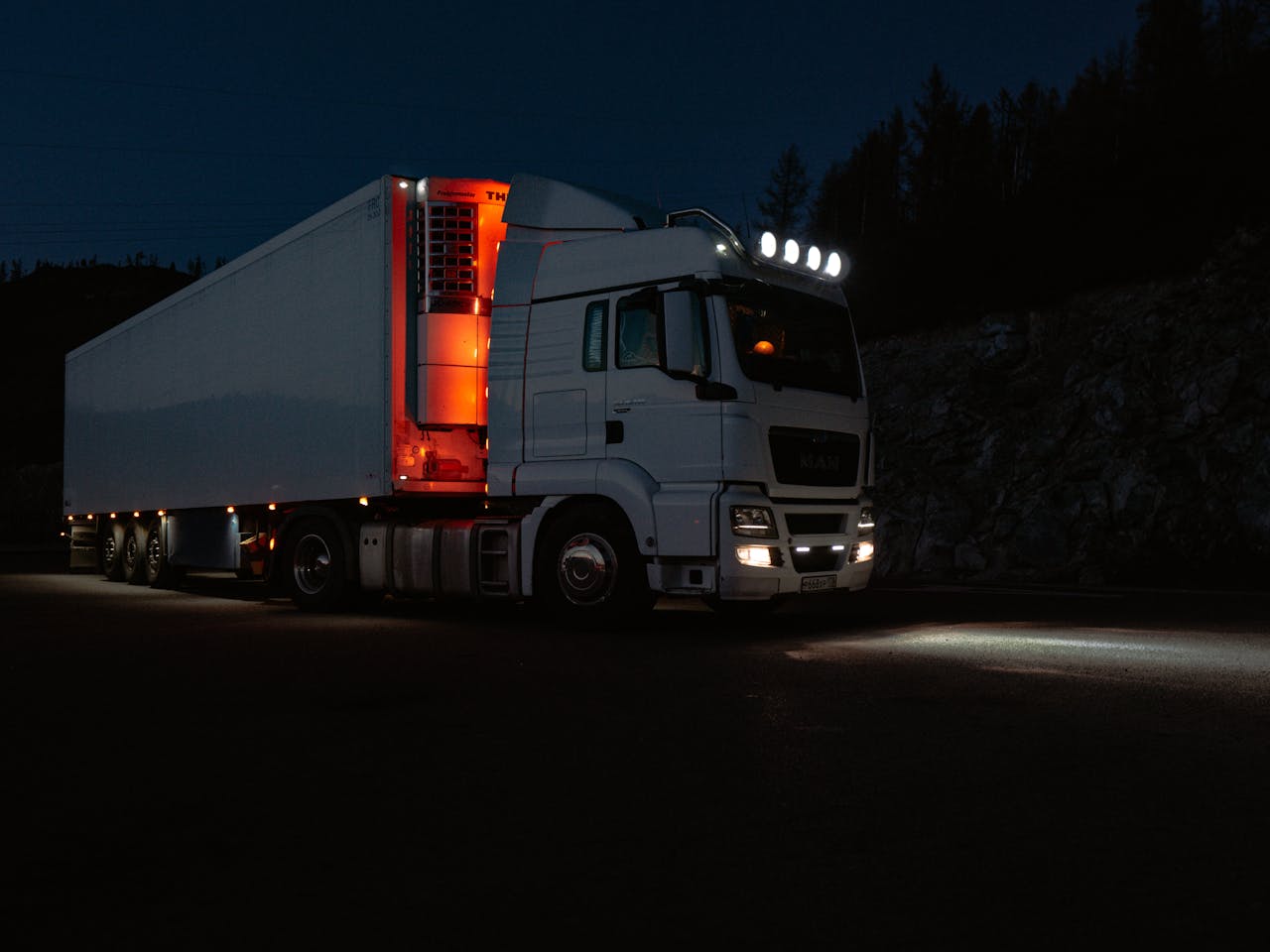
eHGVs and The Future
There’s no doubt that over the coming years, existing fleets of diesel vehicles will be transformed into environmentally responsible electric ones – but it requires engagement and investment from everyone in the industry to make it happen smoothly and effectively. While some may see the need for new infrastructure and training as a burden the logistics industry doesn’t need, fighting against the tide is counter-productive and, ultimately, unhelpful.
At Millennium Cargo, we’re embracing these much-needed changes and doing what we can to improve the freight industry for everyone.
We believe it is our duty – and that of our trusted partners and customers – to encourage a move towards net-zero, educating ourselves about the opportunities it presents and how best to benefit us all. With each new technology, the logistics industry takes a step towards a better future – eHGVs represent an important part of that positive change.
Alongside other technological advances, such as Sustainable Aviation Fuel, AI-assisted route mapping for optimisation, real-time tracking, drone deliveries and more, electric vehicles are improving our workflow and opening the door to new opportunities.
Sustainability with Millennium Cargo
If you want to lower your carbon footprint and adopt more sustainable shipping practices, speak to a specialist advisor at Millennium Cargo today. We will help you evaluate your current logistics model and explore alternatives – including electric HGVs – to keep you at the forefront of environmental responsibility. Contact us today.